Athletic Sock Wholesale: Technical Specs and RFQ Checklist for B2B Buyers
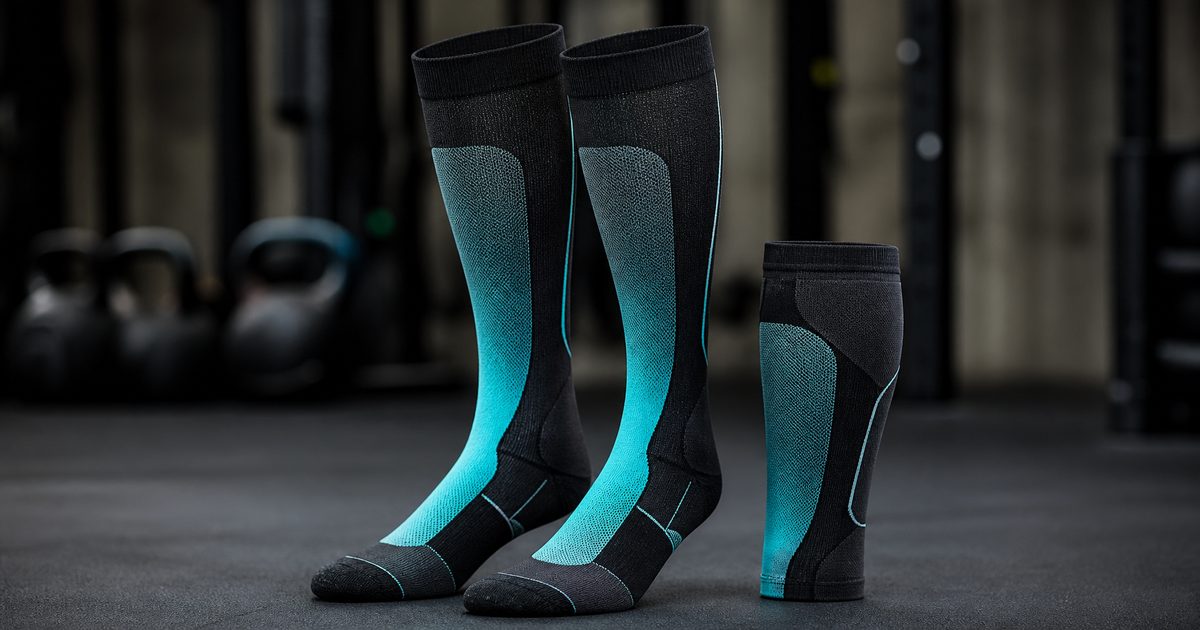
Athletic Sock Wholesale: Technical Specs and RFQ Checklist for B2B Buyers
**Byline:** Vincent Xi, Editorial Author, ZheSock
Athletic sock wholesale programs succeed or stall on specification clarity. Buyers who treat athletic socks as a simple “crew sock with a logo” often get samples that look right in a photo and fail in wear: inconsistent cushion maps, weak elastics, color drift after wash, or packaging that does not match retail or team distribution. This guide is for B2B product, sourcing, and merchandising teams who need a technical RFQ path—not consumer shopping advice. It does not describe a specific factory’s capacity, pricing, or certified test results.
Commercial context buyers should treat as planning input only
Bulk sock purchasing is commonly described as orders of **100 to 10,000+ pairs** for retail inventory, team supply, corporate programs, and branded merchandise. The same bulk-buyer framing used for 2026 programs states that volume tiers can reduce **per-unit cost by 30–60% versus retail** (DeadSoxy bulk B2B guide). Those figures are **industry reference points from the cited guide as of that publication’s framing**, not a universal price promise and not a ZheSock quotation. Landed cost still depends on yarn grade, construction complexity, decoration method, packaging, freight, and duty.
Corporate-style bulk programs are often discussed in the **200 to 5,000 pairs per order** band in the same guidance, while broader wholesale purchasing is framed from roughly **100 pairs** into multi-thousand-pair runs (DeadSoxy bulk B2B guide). Use those bands only for planning conversations; true MOQ is whatever a factory can run repeatably for your yarn, color, and packaging combination.
What “athletic sock wholesale” should mean in an RFQ
In wholesale and private-label language, “custom” is not one service model. B2B sourcing guides distinguish:
- **OEM** — buyer-specified design and yarn/build
- **ODM** — manufacturer design branded by the buyer
- **Private label** — standard or semi-standard builds with buyer branding
- **White label** — stock goods rebranded with limited differentiation
Athletic programs usually sit closer to OEM or advanced private label because performance depends on knit structure, yarn system, and zone design—not hangtags alone. That is a sourcing-model distinction from the cited guide, not a claim that any one supplier offers every model.
Freeze these four requirement blocks before supplier outreach
1. **End use and wear cycle** — training, match day, lifestyle crossover, youth vs adult, indoor vs outdoor, single-season promo vs multi-season core SKU. 2. **Construction class** — ankle, quarter, crew, over-the-calf, compression-oriented styles, or sport-specific maps (running, court, field, gym). 3. **Brand/compliance envelope** — color system, logo method, fiber content labeling, packaging claims, and destination-market labeling rules. 4. **Commercial envelope** — first-order volume, 12-month volume band, reorder cadence, sample timeline, and target landed-cost range.
Manufacturer-selection guidance recommends defining product complexity, volume expectations, customization depth, timeline, and budget *before* comparing factories, then shortlisting **at least 3–5** manufacturers and validating with a **small test order** before large production (how to choose a custom sock manufacturer). Treat “3–5” and “test order” as process recommendations from that guide, not as a fixed industry rule.
Technical specifications to lock early
1) Size system and fit map
State the size run (for example men’s/unisex S–XL or EU size bands), last/fit reference if available, and stretch targets for cuff, arch, and leg. Athletic socks fail commercially when “one size” is used as a shortcut for multi-channel retail or team kits. Ask suppliers to document:
- finished length (heel to cuff) and footbed length by size
- cuff height and relaxed vs stretched circumference
- heel pocket depth and shape (Y-heel, true heel, etc.)
- intended shoe category (cleat, court, running trainer)
2) Yarn system and fiber content
Athletic performance is mostly a materials and knit decision. RFQs should separate **face yarn**, **plating yarn**, **elastic system**, and **reinforcement yarn** rather than listing only a marketing blend. Common specification fields:
- fiber content by percentage for each yarn position
- yarn count/denier where relevant
- recycled vs virgin inputs if claimed
- moisture-management intent (wicking face, hydrophobic/hydrophilic balance)
- odor-control chemistry only if claims and labeling will be verified
- elastic type (covered elastane/spandex content and recovery expectation)
If a supplier quote uses “performance polyester” or “combed cotton feel” without yarn positions, treat the quote as incomplete. Do not accept recycled-content, antimicrobial, or compression outcome claims without lot-level evidence the supplier can attach to the PO.
3) Machine capability and knit density
Buyer guides for custom sock manufacturers emphasize knitting equipment, machine gauge, yarn sourcing capability, and sample quality as core evaluation criteria (manufacturer selection guide). For athletic styles, ask for:
- machine gauge class used for the style family
- needle count / cylinder size where the factory will disclose it
- terry vs flat knit zones
- mesh/ventilation placement
- rib structure at cuff and arch
- whether logos are knit-in (jacquard), printed, embroidered, or applied by another method
Do not confuse a machine brand mention with a quality guarantee. Equipment is a capability signal; lot consistency still depends on process control. A gauge or needle-count statement is useful only when it is tied to the quoted style family.
4) Cushion, protection, and zone map
Athletic sock RFQs need a zone map, not a single word like “cushioned.” Specify:
- heel and forefoot terry density intent (light / medium / dense)
- impact zones for sport (ball of foot, heel strike, shin contact if relevant)
- flat or low-profile zones under laces or in instep
- left/right anatomical shaping if required
- seam type at toe (hand-linked, overlock, etc.) and bulk tolerance inside footwear
5) Elastic recovery and support architecture
Support is often over-claimed. Specify where support is required (arch band, ankle lock, graduated compression intent) and what must *not* happen after wash (cuff blowout, arch band roll, leg bagging). If compression values are commercially important, require measurable targets and a named test method at quote stage rather than accepting “compression feel” language. Distinguish a standard’s measurement method from any supplier’s own in-house practice; do not imply certification unless a current document is provided for the exact materials and process.
6) Color, decoration, and durability
Define Pantone or lab-dip process, acceptable Delta E if instrumental color control is used, logo placement coordinates, and wash/abrasion expectations for decoration. Jacquard, embroidery, and print methods have different cost, MOQ, and durability profiles; choose by wear condition, not by mockup beauty alone. Factory-side knowledge bases for wholesale buyers commonly organize guidance around materials, QC, packaging, and private-label planning as linked commercial decisions rather than isolated art files (Velon Socks knowledge base).
7) Packaging and unit of sale
Wholesale athletic programs break when packaging is an afterthought. Specify pair bag vs band, hanger vs shelf-ready pack, barcode ownership, polybag thickness and recyclability requirements, carton packout, and assortment rules (solid size packs vs ratio packs).
Buyer decision table: athletic sock wholesale tradeoffs
| Decision factor | Lower-complexity path | Higher-performance path | What the RFQ must force into the open | | --- | --- | --- | --- | | Commercial model | Private label / white label on existing builds | OEM with custom yarn and zone map | Whether the factory is quoting stock architecture or true development (OEM/ODM definitions) | | First order volume | Often near lower bulk thresholds (commonly discussed from about 100 pairs upward in bulk guides) | Larger locks for custom colors, yarns, and packaging | MOQ by colorway, by size, and by packaging SKU (bulk volume framing) | | Material system | Standard cotton-rich or basic poly blends | Engineered synthetics, plated constructions, reinforced wear zones | Yarn positions, content %, elastic system, and substitute rules | | Knit complexity | Basic rib + light cushion | Multi-zone terry/mesh, arch lock, sport-specific shaping | Zone map drawings + machine/gauge capability statements | | Branding method | Simple knit logo or one-position print | Multi-position jacquard, special packaging, retail-ready claims | Decoration durability tests, color approval path, and reject criteria | | Lead-time risk | Faster if catalog-adjacent | Longer if lab dips, engineered samples, and packaging tooling are needed | Sample calendar, bulk calendar, and capacity reservation terms | | QC depth | Visual AQL-style checks only | Dimensional, wash, stretch recovery, and shade control | Written inspection points and what happens on fail | | Total cost focus | Ex-works unit price | Landed cost, reorder speed, defect rate, and dead inventory risk | Incoterms, freight assumptions, and defect liability |
**Example calculation (assumption to verify in the supplier quote, not a market price):** if a program needs **3,000 pairs** across **3 colorways** and packaging is **$0.12/pair**, a **$0.08/pair** packaging misspec can add **$240** in direct packaging cost before freight—small on paper, material when margins are thin. Units: USD per pair and total USD for the 3,000-pair packaging line item only. Scope: packaging cost delta only; excludes yarn, knitting, decoration, duty, and freight. Always re-run landed cost with actual carton weights and route quotes.
Practical RFQ checklist for athletic sock wholesale
Use this checklist as the body of an RFQ packet. Incomplete fields are the most common reason quotes are non-comparable.
A. Program identity
- [ ] Brand / channel (retail, e-commerce, team, promo, corporate)
- [ ] Style name/code and sport use case
- [ ] Target launch date and in-warehouse date
- [ ] Forecast: first PO quantity and 12-month band
- [ ] Reorder expectation (single drop vs seasonal replenishment)
B. Product architecture
- [ ] Silhouette (no-show / ankle / quarter / crew / OTC)
- [ ] Size run and size curve
- [ ] Left/right anatomical requirement (yes/no)
- [ ] Toe seam preference and maximum seam bulk
- [ ] Cushion map (heel/forefoot/instep/shin) with density intent
- [ ] Ventilation/mesh map
- [ ] Arch and cuff support requirements
- [ ] Any compression target and test method, if commercially required
C. Materials
- [ ] Fiber content target by yarn position
- [ ] Acceptable substitutes and forbidden fibers
- [ ] Elastic content intent and recovery expectation after wash
- [ ] Reinforcement yarn at heel/toe (yes/no)
- [ ] Moisture or odor claims, if any, with evidence expectation
- [ ] Color standard (Pantone / physical standards / digital only)
D. Branding and packaging
- [ ] Logo method(s) and placement coordinates
- [ ] Label type (woven, printed, heat transfer) and language set
- [ ] Pair packaging and outer carton requirements
- [ ] Barcode / UPC / EAN ownership and placement
- [ ] Retail claims that must not appear without substantiation
E. Quality and compliance gates
- [ ] Sample stages required (proto, fit, pre-production, gold seal)
- [ ] Dimensional tolerances by size
- [ ] Wash-test protocol and cycle count for approval
- [ ] Shade band approval method
- [ ] Incoming inspection criteria and defect classification
- [ ] Restricted substances / market labeling requirements for destination countries
F. Commercial terms
- [ ] Target ex-works or landed cost range (currency and Incoterm)
- [ ] Payment terms and deposit structure
- [ ] MOQ by color and by size
- [ ] Tooling or development fees, if any
- [ ] Liability for late delivery and for quality rejects
- [ ] Carton marking and shipping document requirements
G. Evidence package requested from supplier
- [ ] Machine/gauge capability note for the quoted style family
- [ ] Yarn source description at the level the factory will warrant
- [ ] Process flow from knitting to boarding/packing
- [ ] QC checkpoints and sampling plan
- [ ] Lead time in working days for sample and bulk
- [ ] Recent capacity constraints that could affect the ship window
How to evaluate wholesale suppliers without over-weighting unit price
Price-only comparisons fail because athletic socks are a system product. A structured evaluation sequence:
1. **Requirement lock** — freeze silhouette, zone map, fiber intent, and packaging. 2. **Supplier shortlist** — compare at least three to five capable makers on equipment fit, communication, and sample discipline (manufacturer selection framework). 3. **Sample scorecard** — grade fit, recovery, toe finish, shade, and board presentation against the written spec, not against memory. 4. **Pilot / test order** — validate bulk handling, size-curve accuracy, and packaging execution before seasonal volume. 5. **Landed-cost model** — include duty, freight, defect allowance, and inventory risk. 6. **Reorder contract mechanics** — color continuity, yarn substitution rules, and change-control process.
Geographic and logistics context can matter as much as knitting. One B2B manufacturing guide notes that Turkey is described as the world’s **second-largest sock exporter**, with proximity advantages for European replenishment versus longer East Asia lanes in some landed-cost scenarios (Goren Socks B2B guide). That export-rank description is attributed to the cited guide; it is not independently re-verified here and does not rank factory quality. Treat origin as a total-cost and lead-time variable, not as an automatic quality rank. For any origin, ask for transit time, cut-off calendars, and reorder response, then verify with an actual route quote.
Factory-oriented wholesale content libraries also frame supplier comparison around MOQ logic, quality systems, and partnership structure for sports socks and broader wholesale programs (Velon Socks B2B knowledge base). That is the right altitude for athletic sock wholesale: process transparency over brochure claims.
Sampling, QC, and what “approved” should mean
An athletic sock sample is not approved when stakeholders “like the look.” Approval should be a packet:
- signed zone map and size chart
- approved yarn content statement
- approved shade standards
- wash and recovery notes against the agreed method
- packaging dieline and label copy freeze
- bulk reference (“gold”) sample retained by both sides
Quality control should connect offline measurements to in-line checks: needle-out defects, hole rates, uneven terry, twisted leg, short elastic, board burns, pair mismatch, and incorrect tickets. If a supplier cannot explain where those defects are caught, bulk risk remains high even if the first hand sample is attractive.
For performance language on product pages or packaging, separate **construction facts** (mesh instep, heel terry, arch band) from **outcome claims** (injury reduction, medical compression, guaranteed blister prevention). Outcome claims need evidence and legal review; construction facts can be verified on the product. No standard name should be listed as met unless the supplier provides a current document tied to the exact materials and process used for the lot.
Methodology note: how the guidance and figures in this article were derived
This article synthesizes publicly available B2B sock sourcing guidance on bulk order bands, volume-pricing framing, OEM/ODM/private-label distinctions, manufacturer evaluation criteria, and wholesale knowledge-base topic coverage. Numerical ranges cited above—such as bulk purchase bands of **100 to 10,000+ pairs**, corporate-order bands of **200 to 5,000 pairs**, volume-driven **30–60%** per-unit cost reduction versus retail as framed in a 2026 bulk buyer guide, the recommendation to evaluate **3–5** manufacturers with a test order, and the export-rank description for Turkey—are taken from the linked third-party B2B guides and are presented as **reference planning figures**, not as ZheSock quotations, lab results, factory audits, or guaranteed market averages (DeadSoxy bulk guide; manufacturer selection guide; Goren B2B guide; Velon knowledge base). Technical RFQ fields (yarn positions, zone maps, gauge disclosure, wash/recovery gates) are process checklists for buyer specification discipline; they are not measurements from a named production lot.
Limitations and what buyers should verify in every supplier quote
- **Prices and percentages change** by yarn market, decoration method, packaging, and Incoterm; re-validate landed cost on the actual quote date.
- **MOQ is style-specific.** A catalog crew sock MOQ does not transfer to multi-zone athletic constructions with custom yarns.
- **Export-rank or origin advantages** do not replace factory-level QC evidence and do not imply certification.
- **Sample success is not bulk success.** Require a production-ready approval path and defect handling terms.
- **No certification, restricted-substance, or performance-test claim should be assumed** unless the supplier provides a current document tied to the exact materials and process used for the lot.
- **Any example calculation in planning decks** must be replaced with supplier numbers, measured carton weights, and freight-forwarder quotes before PO release.
- **Third-party guide ranges** (volume bands, cost-reduction percentages, shortlist counts) are not ZheSock commercial terms and may not match a given factory’s yarn, color, or packaging constraints.
Closing decision path for sourcing teams
For athletic sock wholesale, the fastest path to a defensible PO is specification discipline: freeze the wear use case, zone map, yarn system, size curve, decoration method, and packaging, then force every supplier to quote against the same RFQ packet. Compare factories on sample fidelity, process transparency, and reorder mechanics—not on a single ex-works number. Use bulk volume bands only as planning context, run a controlled test order, and convert the winning sample into a gold standard that purchasing, QC, and the supplier all retain.
When those controls are in place, athletic sock wholesale becomes a manageable materials-and-process buy instead of a catalog gamble.
---
**Author note:** This article is published under the editorial byline of **Vincent Xi**, Editorial Author at ZheSock. Author profile: https://www.zhesock.com/authors/vincent-xi/. No first-person operational claims, factory visits, client outcomes, or certifications are asserted in this guide; recommendations are specification and sourcing process guidance based on the cited B2B reference materials.