B2B Socks Manufacturer RFQ Guide: Specs, Samples, QC, and Quote Comparison
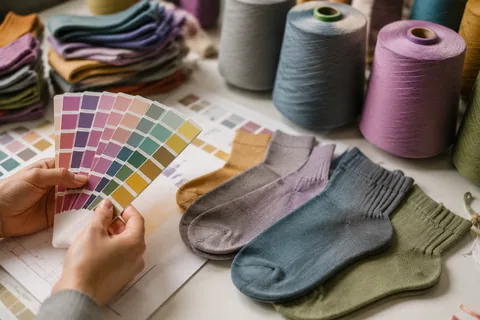
B2B Socks Manufacturer RFQ Guide
A socks manufacturer RFQ works best when every supplier is quoting the same product, approval path, packaging scope, and commercial basis. For B2B buyers, the goal is not a longer brief. It is a clearer one: fewer assumptions before sampling, purchase order confirmation, and bulk production.
Use the cited manufacturer and sourcing guides as planning references, not as final compliance advice. Confirm technical, testing, documentation, and retailer requirements against the destination market and the supplier's written quotation.
1. State the Buying Model
Name the production model at the top of the RFQ. The Gorensocks B2B guide describes common models including OEM, ODM, private label, and white label. In that guide, OEM refers to buyer-specified production under the buyer's brand, ODM uses a manufacturer-developed design direction that the buyer brands or customizes, private label applies buyer branding to an existing or standard specification, and white label uses available stock that can receive branding later as outlined in the Gorensocks B2B guide.
| Buying model | RFQ focus | |---|---| | OEM | Buyer technical specification, artwork, measurements, packaging, sample approvals, QC expectations | | ODM | Manufacturer design reference, customization scope, branding, packaging, approval process | | Private label | Existing product reference, buyer branding, label and pack requirements, size and color mix | | White label | Available stock, branding method, packing format, delivery timing |
Separate the first purchase from any forecast. DeadSoxy's manufacturer selection guide recommends reviewing factors such as equipment, yarn sourcing, sample quality, MOQ, lead time reliability, communication, and quality control, and it suggests starting with a smaller order before larger production commitments according to DeadSoxy.
2. Define Product and Order Context
Before discussing yarn or packaging, define the sock category and the order context. This gives each supplier a common basis for quoting construction, materials, gauge, sampling, and pack format.
| RFQ field | What to specify | |---|---| | Sock category | Dress, casual, athletic, school uniform, workwear, grip, thermal, promotional, or other | | Silhouette | No-show, ankle, quarter, crew, mid-calf, knee-high, over-the-calf | | Target wearer | Men's, women's, unisex, youth, infant, team, uniform, or other | | Sales channel | Retail pack, e-commerce, team kit, corporate program, private label line, subscription box | | Main priority | Cost target, softness, durability, color clarity, cushioning, pack presentation, reorder consistency | | Order structure | Quantity by size, colorway, pack format, and delivery destination |
If a requirement is open, state that clearly. Ask the supplier to recommend an option and identify the assumption used in the quote.
3. Specify Materials, Gauge, and Construction
Write materials and construction as RFQ fields, not as general quality language. The Ege Socks sourcing guide names material and gauge as buyer considerations and gives examples including combed cotton, mercerized cotton, bamboo, modal, wool, technical blends, fine-gauge dress weights, terry cushioning, plain knitting, and full jacquard in its sourcing guide.
If the blend is known, state the target fiber percentages. If it is not known, ask the supplier to recommend a blend and disclose the quoted percentages in writing.
| Specification area | Buyer input | Supplier response requested | |---|---|---| | Fiber blend | Target blend or desired hand feel and performance | Quoted fiber percentages and substitute policy | | Gauge or machine type | Known gauge, design reference, or open recommendation | Recommended gauge or machine type and reason | | Cushioning | None, half terry, full terry, targeted cushion zones | Construction confirmation | | Leg structure | Rib, plain, mesh, jacquard, pattern repeat | Feasibility comments | | Foot structure | Plain sole, arch band, reinforced heel/toe, grip sole | Construction confirmation | | Toe seam | Standard, linked, seamless-feel, or supplier recommendation | Method and sample reference | | Measurements | Sock height, foot length, welt width, key stretch points | Size chart and tolerances | | Color | Pantone, TCX, TPX, lab dip, stock yarn, or nearest acceptable match | Color matching method and lead time impact |
Avoid vague standards such as premium quality unless they are translated into yarn, construction, measurements, sample criteria, and QC checks.
4. Prepare Artwork and Branding Instructions
Branding belongs in the same technical package as the sock. Ask the supplier which artwork elements can be produced as submitted and which need adjustment before sampling.
Common RFQ inputs include:
- Logo files in AI, PDF, PSD, PNG, or another agreed format.
- Placement on the cuff, leg, side, sole, toe, label, band, hang tag, or packaging.
- Branding method requested, such as knit-in jacquard, embroidery, print, woven label, printed label, belly band, hang tag, box, or header card.
- Size and color of each logo or graphic element.
- Whether the supplier should create a knit mockup or artwork conversion proof before sample knitting.
For RFQ organization, the Velon Socks blog can be used as another planning reference for topics such as custom development, materials, quality control, packaging, and private label planning in its socks blog. The quoted supplier still needs to confirm what is feasible for the actual artwork and construction.
5. Quote Packaging With the Product
Quote packaging at the same time as the sock when packaging is part of the delivered unit. The Ege Socks guide lists retail and branding elements such as woven or printed labels, hang tags, size stickers, EAN barcodes, polybags, custom boxes, and retail-ready packs in its sourcing guide.
Include only the packaging items required for the order.
| Packaging field | Options to define | |---|---| | Unit format | Single pair, 2-pack, 3-pack, 6-pack, assorted pack, size-specific pack | | Retail component | Label, hang tag, belly band, sticker, header card, box, sleeve | | Barcode | EAN, SKU label, carton label, or none | | Bagging | No bag, individual polybag, master polybag, other specified bag | | Carton packing | Pairs per inner carton, pairs per master carton, carton marks, carton dimensions if required | | Artwork responsibility | Buyer-supplied print-ready files or supplier-prepared dielines and proofs | | Approval item | Label proof, barcode proof, pack sample, carton mark proof |
Ask whether the quote includes each label, tag, band, bag, carton mark, barcode application step, and pack assembly step.
6. Build the Sample Path
Sampling gives the RFQ a physical approval reference. DeadSoxy's selection guide identifies sample quality, lead-time reliability, and communication responsiveness as manufacturer evaluation points as noted in its guide.
Define the sample path before accepting the quote.
| Sample stage | Purpose | Approval focus | |---|---|---| | Development sample | Tests construction, yarn, artwork, and fit direction | Construction decisions and correction list | | Salesman sample | Supports internal review, line presentation, or photography | Appearance, branding, and pack presentation | | Pre-production sample | Final control before bulk production | Approved specification, measurements, color, packaging | | Shipment sample | Pulled from bulk production if required | Comparison against the approved control sample |
State how many sample pairs are needed, which sizes and colorways must be sampled, who pays sample and courier fees, how many revisions are included, and how written approvals will be recorded.
7. Define QC, Compliance, and Documents
Quality control requirements belong in the RFQ, not after bulk goods ship. Ask where checks happen, who performs them, what defect categories are used, and what evidence the manufacturer can provide.
The Ege Socks guide discusses production and quality-control checkpoints for buyers to review in its buyer guide. Use that as a prompt to ask about:
- Incoming yarn checks.
- Knitting inspection.
- Linking or sewing inspection.
- Boarding, washing, or finishing checks.
- Measurement checks after finishing.
- Color and shade control between lots.
- Needle defects, loose yarn, holes, stains, and mispairs.
- Final packing inspection.
- QC report format or third-party inspection readiness.
Documentation requirements depend on destination market, product claims, fiber content, and retailer requirements. The Ege Socks guide references EU-oriented topics such as REACH, azo-free dye expectations, third-party lab testing on request, and export paperwork examples including commercial invoice, packing list, certificate of origin, EUR.1, and EORI-related handling in its buyer guide. Treat these as document categories to verify, not as a universal requirement for every sock order.
8. Copy-Ready RFQ Checklist
Use this structure when preparing a socks manufacturer RFQ.
| Section | Include | |---|---| | Buyer and order context | Company name, buyer contact, destination country, target delivery window, first order quantity, 12-month forecast if available | | Production model | OEM, ODM, private label, or white label | | Product type | Sock category, silhouette, target wearer, use case, sales channel | | Quantity split | Units by size, colorway, pack format, and delivery destination | | Technical files | AI, PDF, PSD, PNG, technical drawing, physical sample, measurement chart | | Yarn and gauge | Requested blend or target feel, fiber percentages required in quote, gauge recommendation requested | | Construction | Rib, mesh, terry, arch support, reinforced heel/toe, cushion level, grip sole, toe seam | | Measurements | Sock height, foot length, welt, stretch points, size chart, tolerance request | | Color | Pantone, TCX, TPX, lab dip, stock yarn, or nearest acceptable match instruction | | Branding | Jacquard, embroidery, print, label, hang tag, belly band, box, logo placement | | Packaging | Unit pack, barcode, labels, bagging, carton packing, carton marks, artwork responsibility | | Sampling | Sample stages, number of pairs, sizes and colorways, fees, revision policy, approval deadline | | QC | Inspection process, defect categories, QC report, AQL or third-party inspection if required | | Documents | Test reports, declarations, retailer documents, export documents required by destination | | Commercial terms | MOQ basis, unit price basis, payment terms, lead time after approval, shipping terms | | Reorders | Color and yarn continuity, repeat order lead time, approved sample retention |
9. Compare Quotes on the Same Basis
After responses arrive, compare each quote against the same specification. A useful supplier response should restate the product, yarn blend, size range, MOQ basis, sample timeline, bulk lead time, packaging assumptions, quality process, documents, payment terms, and shipping terms.
| Quote item | What to check | |---|---| | Unit price | Does it include the same sock construction, yarn, size range, and color count? | | MOQ | Is MOQ based on total order, design, colorway, size, or pack format? | | Sampling | Are sample fees, revision limits, and courier costs included or separate? | | Packaging | Are labels, tags, bands, bags, cartons, barcodes, and carton marks included? | | Color | Is the price based on stock yarn, custom dyeing, lab dips, or nearest match? | | QC | Is an inspection report included, optional, or not stated? | | Documents | Which export, compliance, testing, or retailer documents are included? | | Lead time | Is the timeline counted from RFQ, deposit, artwork approval, yarn approval, or sample approval? | | Payment and freight | What incoterm, payment schedule, and delivery destination are being quoted? |
Shortlist suppliers that answer technical questions directly and confirm the specification in writing. For a first order, a limited test run can help validate whether the supplier can meet the approved sample, timing, communication, and QC expectations before scaling, consistent with sourcing advice that recommends checking samples and starting smaller before larger commitments as described by DeadSoxy.
10. Final Approval Gate
Before bulk production starts, confirm these items in writing:
- Approved control sample and approval date.
- Final fiber percentages and construction.
- Final size chart and measurement tolerances.
- Final color references and approved lab dips or stock yarns.
- Final artwork, logo placement, and packaging proofs.
- Final carton packing and barcode details.
- Final QC process and report expectation.
- Final document list for the destination market.
- Final delivery terms, lead time, and payment schedule.
A clear socks manufacturer RFQ gives buyers and suppliers the same written basis for quote comparison and production follow-up. Define the buying model, product, materials, construction, branding, packaging, samples, QC, documents, and commercial terms before quote approval so the approved sample and the purchase order can be checked against the same specification.