Custom Socks RFQ Guide: Specifications, Sampling, QC, and Buyer Checklist
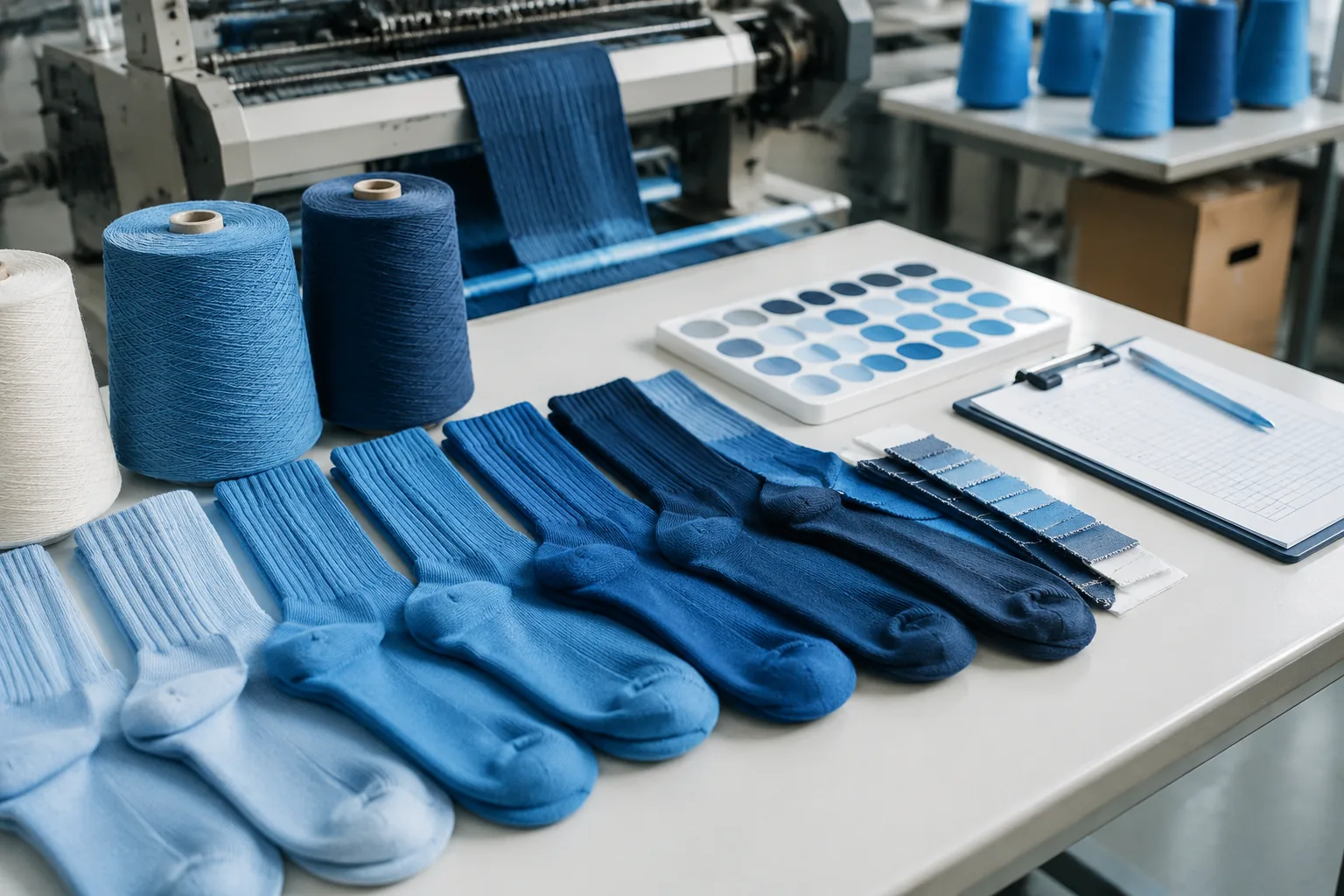
Custom Socks RFQ Guide for B2B Buyers
A strong custom socks RFQ should make the product measurable, the quotation comparable, and the approval process clear before production starts. This guide keeps the sourced context separate from the buyer-defined requirements that must be confirmed by each supplier.
The cited sources support only limited B2B sourcing context. Goren Socks describes B2B sock buying models that include OEM, ODM, private label, and white label programs Goren Socks. Goren Socks and DeadSoxy reference use cases such as corporate gifting, promotional campaigns, retail inventory, team uniforms, event merchandise, sports labels, wellness brands, and fashion brands Goren Socks DeadSoxy. DeadSoxy describes bulk B2B custom sock orders as ranging from 100 pairs to 10,000+ pairs and identifies MOQ as a buying consideration DeadSoxy. VelonSocks discusses supplier selection, quality control, pricing strategy, MOQ requirements, and long-term partnership management in wholesale sock buying VelonSocks. B2Bsox lists custom sock categories and methods including jacquard socks, embroidered socks, printed logo socks, woven label socks, 360-degree printed socks, sublimation tube socks, athletic socks, compression socks, grip socks, and wool blend socks B2Bsox.
The technical fields below are RFQ controls for the buyer to define or for the supplier to confirm. They are not claims that any supplier can meet a given requirement. Treat every capability, material, tolerance, lead time, test result, compliance status, and certification as unconfirmed unless the supplier confirms it in writing and provides the requested sample or documentation.
1. Choose the Buying Model
State the buying model at the top of the RFQ. A cited B2B sourcing guide separates programs into OEM, ODM, private label, and white label categories Goren Socks.
| Buying model | Buyer input to include in the RFQ | Supplier response to request | |---|---|---| | OEM | Design files, color references, product specification, size range, packaging requirements, order quantity, delivery destination, and inspection expectations. | Confirm whether the supplier can quote the submitted specification as written and list every proposed substitution. | | ODM | Target use case, preferred base style, branding needs, size range, quantity, packaging format, and required changes from any supplier-proposed base style. | Identify proposed base styles, editable features, non-editable features, sample requirements, and any tooling or setup charges. | | Private label | Sock type, fiber target, sizing, labels, hang tags, packaging format, carton requirements, barcode needs, and known reorder expectations. | Confirm standard specification options, branding options, packaging options, MOQ by design, color, and size, and resampling rules for reorders. | | White label | Stock style request, color request, branding method, packaging changes, order quantity, delivery date, and replenishment expectation. | Confirm stock availability, branding lead time, packaging lead time, and whether future replenishment can use the same specification. |
2. Build the Custom Socks Specification Sheet
Use the specification sheet to make the requested socks quotable. If the buyer does not know the exact requirement, ask the supplier to propose an option and label it clearly as supplier-proposed.
| Specification field | Buyer input to include | |---|---| | Product type | Crew sock, ankle sock, no-show sock, knee-high sock, sport sock, dress sock, grip sock, thermal sock, or another defined format. | | Intended use | Retail sale, corporate gift, event merchandise, team uniform, promotional campaign, workwear, wellness product, sports label, fashion brand, or another buyer-defined use case. | | Target wearer | Adult men, adult women, youth, kids, unisex, or another defined size group. | | Quantity | Total pairs, quantity by design, quantity by color, quantity by size, and acceptable overage or shortage if any. | | Size range | Local shoe size conversion, sock size label, relaxed foot length, stretched foot length, leg height, cuff height, and size grading rule. | | Fiber target | Requested fiber types, approximate percentage targets, stretch requirement, hand feel target, and whether alternatives are allowed. | | Construction | Ribbed cuff, terry foot, cushioned sole, mesh zone, arch support, reinforced heel, reinforced toe, seamless toe preference, flat toe seam preference, grip area, or compression-style zones. | | Artwork placement | Cuff, leg, instep, sole, toe, heel, side panel, all-over pattern, or packaging-only branding. | | Artwork files | Editable artwork file, flat preview file, logo size, placement reference, color references, and any minimum legibility requirement for small text. | | Color control | Stock yarn match, dyed yarn request, lab dip request, printed sample approval, physical color standard, or buyer-approved swatch. | | Packaging | Bulk pack, pair band, hang tag, header card, polybag, belly band, retail-ready pack, carton labeling, barcode placement, and carton pack quantity. | | Documentation | Destination market, buyer-specified label content, requested test reports, material declarations, packing list, invoice, and buyer-requested certificates. | | Delivery terms | Requested ship date, delivery destination, shipment terms, carton dimensions if required, and required pre-shipment photos if any. |
3. Specify Construction and Decoration
B2Bsox lists custom sock categories and methods including jacquard, embroidery, printed logo, woven label, 360-degree print, sublimation tube sock, athletic, compression, grip, and wool blend options B2Bsox. Use those names only as method references. The RFQ should define the required result, approval method, and substitution rules.
| Method or feature | RFQ details to specify | |---|---| | Knit-in or jacquard artwork | Logo size, placement, number of colors, yarn color references, repeat pattern, and minimum readable lettering size if text is included. | | Embroidery | Placement, embroidery size, thread colors, backing requirements if any, and whether the decorated area must stretch during wear. | | Printed artwork | Print area, color references, stretch expectation, wash expectation, and whether print approval requires a physical sample. | | All-over printed sock | Artwork layout, seam or alignment expectation, visible area when worn, and approval sample requirement. | | Woven label or branding label | Label size, placement, fold type if any, artwork file, stitch color, and edge finish. | | Grip sock | Grip material request, grip pattern, coverage area, color, thickness target, intended use surface, and sample approval method. | | Cushion or terry area | Cushion location, thickness target if known, yarn feel target, and measurement point for sample review. | | Compression-style zones | Zone location, fit target, size range, and whether the supplier must provide measurement or test data. |
4. Define Fit, Material, and Color Controls
For fit-sensitive custom socks, request actual measurements instead of relying only on a size label. Include relaxed and stretched dimensions for each approved size where fit matters.
| Control area | RFQ details to define | |---|---| | Fit measurements | Relaxed foot length, stretched foot length, leg height, cuff width, cuff height, overall length, and post-wash measurement method if used. | | Size grading | Size names, shoe size conversion, measurement table by size, and whether every size requires a physical size set sample. | | Material | Fiber composition target, acceptable alternatives, yarn feel target, stretch requirement, and whether the supplier must disclose any changed composition in the quotation. | | Color approval | Physical color reference, stock yarn match, dyed yarn, lab dip, printed sample, or other approval standard. | | Packaging fit | Pair folding method, band or tag placement, polybag size, retail display orientation, and carton pack sequence. |
If alternatives are allowed, require the supplier to mark each changed fiber content, construction, color method, packaging format, MOQ, or lead time directly in the quotation.
5. Set Sampling and Approval Gates
VelonSocks discusses supplier selection, quality control, pricing strategy, MOQ requirements, and long-term partnership management in wholesale sock buying VelonSocks. In the RFQ, convert relevant sourcing topics into written approval gates.
| Sample or approval item | What it should confirm | |---|---| | Digital mockup | Layout, color intent, logo placement, pattern scale, and packaging concept. | | Development sample | Construction, artwork translation, yarn feel, fit, size, and first physical appearance. | | Size set sample | Size grading across the ordered size range. | | Color approval item | Stock yarn, dyed yarn, lab dip, printed sample, or physical swatch approval. | | Packaging sample | Label, hang tag, barcode, bag, carton mark, folding method, and packing sequence. | | Pre-production sample | Final approved product and packaging before bulk production. | | Golden sample | Physical reference sample for production comparison and inspection. |
State who approves each stage, whether approval must be written, whether photos are acceptable, and whether bulk production may begin before all required approvals are complete.
6. Set Inspection Criteria Before Production
Write inspection criteria into the RFQ and purchase order. The buyer should define the inspection method, timing, sample reference, defect list, and required action if goods do not match the approved sample.
Use this QC checklist as an RFQ starting point:
- Quantity and assortment by design, color, and size.
- Size ratio against the purchase order.
- Sock measurements against approved tolerances.
- Color comparison against the approved standard.
- Logo position, artwork scale, and artwork readability.
- Construction details such as cuff, heel, toe, cushion, mesh, arch, seam, or grip area.
- Loose threads, holes, stains, shade variation, visible contamination, or other buyer-defined defects.
- Stretch and recovery checks if required by the buyer.
- Pairing accuracy, left/right matching if applicable, and folding method.
- Packaging accuracy, including hang tags, labels, barcodes, bags, cartons, and carton marks.
- Barcode scanability if required for retail or warehouse intake.
- Required shipment documents before release.
7. Compare Supplier Quotations
A custom socks quotation is useful only when each supplier is pricing the same product assumptions. Ask suppliers to separate unit price, sample charges, setup charges, packaging, freight, and any optional substitutions.
| Procurement goal | Specification choices to lock | Questions to ask suppliers | Comparison issue if omitted | |---|---|---|---| | Compare quotations | Quantity, size ratio, fiber target, construction, packaging, sample charges, setup charges, and delivery terms. | What is included in the unit price? Are samples, labels, cartons, setup, and freight quoted separately? | Quotations may reflect different product assumptions. | | Prepare retail-ready goods | Fiber label, care label, hang tag, barcode, size sticker, polybag, carton pack, and carton mark. | Can packaging samples be approved before production? Who supplies barcode and packaging artwork? | Repacking or relabeling may be needed after delivery. | | Control fit | Measurement table, size grading, tolerance, cushion placement, arch placement, grip placement, and post-wash review if required. | Can each ordered size be sampled? Which measurements are guaranteed or only approximate? | A visual sample may not confirm the full size range. | | Control color | Physical color standard, yarn match method, lab dip, print approval item, and artwork file format. | Is color matched by stock yarn, dyed yarn, lab dip, or print? What is the approval standard? | Sample color and bulk color expectations may differ. | | Support repeat orders | Approved tech pack, golden sample, yarn reference, packaging specification, carton plan, and change-control rule. | How are approved specifications stored? What changes trigger resampling? | Reorders may not match the approved shipment. | | Reduce QC disputes | Inspection method, defect list, measurement tolerances, sample reference, approval photos, and remedy terms. | Who pays for rework if goods fail inspection? When can inspection occur? | Acceptance decisions may become subjective. |
8. Custom Socks RFQ Checklist
Use this checklist before sending the inquiry.
- [ ] Company name, buyer contact, billing country, and delivery destination.
- [ ] Buying model: OEM, ODM, private label, or white label.
- [ ] Intended use: retail, corporate gifting, team uniform, event merchandise, promotional campaign, workwear, wellness, sports label, fashion brand, or other.
- [ ] Target order quantity by design, color, and size.
- [ ] Forecasted reorder quantity or season plan, if available.
- [ ] Target delivery date and requested shipment terms.
- [ ] Sock type, height, and intended wearer.
- [ ] Full size range with local market shoe size conversion.
- [ ] Measurement table for relaxed length, stretched length, cuff width, cuff height, leg height, and foot length.
- [ ] Fiber composition target or request for supplier recommendation.
- [ ] Construction details: cuff, rib, cushion, terry, mesh, arch, heel, toe, seam, grip, or compression-style zones.
- [ ] Artwork files in editable format plus flat preview files.
- [ ] Logo placement and maximum size requirements.
- [ ] Number of colors and physical color references.
- [ ] Decoration method preference: knit-in, embroidery, print, woven label, sublimation, grip application, or supplier recommendation.
- [ ] Packaging format: bulk pack, pair band, hang tag, header card, polybag, retail pack, or carton-only.
- [ ] Buyer-specified label fields, such as fiber content, size, country-of-origin marking, care instructions, barcode, or warning labels.
- [ ] Sample requirements: digital mockup, physical sample, size set, packaging sample, color approval item, and pre-production sample.
- [ ] Quality requirements: measurement tolerances, color tolerance, logo tolerance, acceptable defect list, inspection method, and remedy if goods do not match the approved sample.
- [ ] Documentation requested before shipment: packing list, commercial invoice, test reports, material declarations, or buyer-requested certificates.
- [ ] Photo requirements before shipment: product, size set, packaging, cartons, and loaded goods if needed.
- [ ] Payment terms requested and production start condition.
- [ ] Ownership or usage rights for artwork files, setup files, packaging files, and sample charges.
9. Questions Before Awarding the Order
Ask these questions in writing before choosing a supplier.
| Question | Why it matters | |---|---| | Can you quote against this specification without substitutions? | Substitutions should be visible before quotation comparison. | | What is the MOQ by design, color, and size? | DeadSoxy identifies MOQ as a consideration in bulk custom sock buying DeadSoxy. | | Which sample is the final approval for bulk production? | The buyer needs a named reference for fit, color, yarn feel, artwork, and packaging approval. | | What tolerances apply to size, logo placement, color, packaging, and quantity? | Tolerances should be agreed before production begins. | | What happens if bulk goods do not match the approved sample? | Rework, replacement, discount, rejection, or other remedy terms should be clear before purchase order placement. | | Which documents will be provided before shipment? | Buyers may request invoices, packing lists, care label details, fiber content declarations, test reports, or certificates depending on the order and destination market. | | What changes trigger resampling before a reorder? | Reorders should identify whether yarn, construction, color, packaging, or supplier process changes require new approval. |
Final RFQ Principle
A source-bounded custom socks RFQ should not assume supplier capability, quality level, compliance status, material performance, or certification. State the requested specification, require suppliers to mark substitutions, connect approvals to samples or documents, and compare quotations against the same buyer-defined requirements.