Photo sock wholesale supplier quality control inspection for United States RFQs
By Vincent Xi | Editorial Author
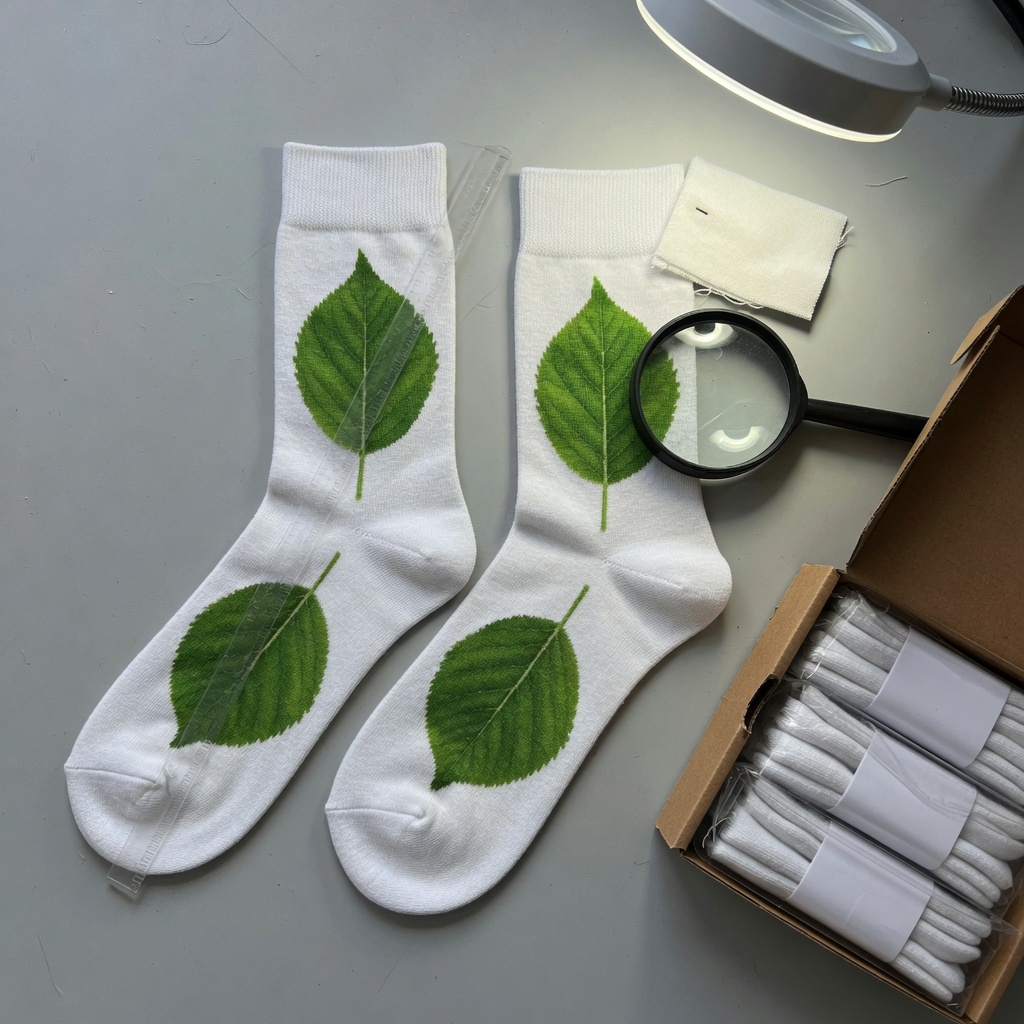
For a United States B2B buyer, a photo sock wholesale supplier quality control inspection should be an RFQ and shipment-release decision, not an assumed supplier capability. A photo-sock order should move through approval against buyer-defined artwork, product specifications, lot evidence, labeling and packing requirements, commercial scope, and delivery milestones.
The cited inspection sources provide topic context and the source-reported figures identified below. They do not verify a selected supplier's photo-sock capability, production method, test result, documentation, commercial term, or quality performance.
United States quality control inspection release controls
Treat these fields as part of the buyer's photo-sock RFQ, inspection plan, and release record.
| RFQ release point | Buyer-defined control | Evidence to request | Hold or release decision |
|---|---|---|---|
| Approved visual reference | Identify the artwork revision, crop, left and right orientation, image placement, color reference, and unacceptable visual-defect examples. | Identified production sample, retained reference images, and approval record. | Hold bulk production until the production reference is identified and accepted. |
| Product specification | State declared composition, construction details, measurement points, measurement condition, stretch-recovery expectation, cuff condition, toe-closing expectation, and sales-unit configuration. | Supplier declaration, measured sample record, and requested report where applicable. | Hold when the sample cannot be tied to the agreed specification. |
| In-process lot review | Define the inspection stage, lot identifier, workmanship checks, image-appearance checks, defect documentation, correction method, and recheck method. | In-line report, defect images, correction record, and recheck result. | Hold affected production when the scope of the issue or its correction cannot be documented. |
| Label and packing approval | Provide buyer-approved label content, label proof, pair configuration, assortment, protective packing, and carton layout. | Label proof, packing images, assortment record, and carton-packing record. | Hold when labels, pairing, assortment, or packing differ from the approved configuration. |
| Pre-shipment disposition | Define the lot quantity record, sample-selection method, defect categories, acceptance rule, inspection authority, corrective-action route, and final disposition. | Lot-specific inspection report, quantity record, findings, corrective action, recheck result, and release request. | Release only after the responsible buyer contact or buyer-appointed inspection authority accepts the documented disposition. |
| Commercial and delivery scope | Assign quote currency, goods price, artwork or setup charges, samples, packaging, inspection, freight, insurance when selected, import assumptions, domestic delivery, delivery term, and milestone ownership. | Itemized quote, milestone schedule, shipping-document list, and named release owner. | Hold commercial approval when a cost or delivery assumption has no stated owner. |
Photo-sock wholesale supply specification and lot evidence
Keep visual acceptance separate from textile and construction acceptance. The visual reference can define the artwork version, intended crop, placement area, orientation, visible blank-area rule, distortion rule, and allowed visual variation. The product specification can separately define declared composition, measurement points, measurement condition, toe closing, stitch consistency, cuff condition, pair symmetry, and any requested stretch-recovery record.
The RFQ should also identify the inspection unit: individual sock, matched pair, packed sales unit, and master carton. Approval of an individual product should not automatically serve as approval of pairing, labels, assortment, or packing.
The GlobalSock buyer checklist covers buyer-checklist topics including fabric composition, shrinkage, colorfastness, samples, lab reports, and final review. The NBN QC inspection overview covers material, sizing, workmanship, labeling, packaging, during-production, and pre-shipment inspection contexts. These references support requesting evidence for those topics; they do not establish a selected supplier's photo-sock specification or result.
Source-reported quality control inspection values for RFQs
The values below are source-reported inspection guidance, not universal photo-sock requirements, selected-supplier results, standards requirements, or certification evidence. Use a value only when it is written into the buyer's specification and accepted in the supplier quote and inspection plan.
| Inspection topic | Source-reported data point | Buyer RFQ control |
|---|---|---|
| Final acceptance sampling | 2.5 AQL. Unit: AQL acceptance level. Scope: final review of defects, packing, and labels in the cited buyer-checklist context. Date/as-of context: the supplied source context does not state a publication date; confirm current applicability when issuing the RFQ. Source: GlobalSock buyer checklist. | Require the actual lot definition, sample-selection method, defect categories, acceptance rule, and inspection-record format. |
| Pair-length matching | Less than 5 mm. Unit: millimeters. Scope: paired-length difference in the cited bulk-hosiery inspection guidance. Date/as-of context: the supplied source context does not state a publication date; confirm current applicability when issuing the RFQ. Source: TradeAiders inspection page. | Define the measurement points, sock condition during measurement, and whether the supplier accepts the buyer-selected limit. |
| Size inspection | +/- 5 mm. Unit: millimeters. Scope: sizing inspection with stretch recovery in the cited bulk-hosiery inspection guidance. Date/as-of context: the supplied source context does not state a publication date; confirm current applicability when issuing the RFQ. Source: TradeAiders inspection page. | State buyer-specific measurement points, sample condition, measurement unit, and acceptance limits in the specification. |
| Loose-thread classification | More than 3 mm. Unit: millimeters. Scope: loose thread-end classification in the cited bulk-hosiery inspection guidance. Date/as-of context: the supplied source context does not state a publication date; confirm current applicability when issuing the RFQ. Source: TradeAiders inspection page. | Define the buyer's defect classification, inspection location, correction method, and recheck requirement. |
| Needle-detection check | 100 percent. Unit: percent of the applicable lot scope. Scope: needle-detection check in the cited bulk-hosiery inspection guidance. Date/as-of context: the supplied source context does not state a publication date; confirm current applicability when issuing the RFQ. Source: TradeAiders inspection page. | State whether this control is required, the lot scope, required record, failed-finding disposition, and shipment-release consequence. |
United States labeling, landed cost, and delivery evidence
The NBN QC inspection overview identifies labeling and packaging as inspection contexts. It is not evidence of a United States legal labeling requirement or supplier compliance. Put buyer-approved label content, sales-unit configuration, carton markings, and required review ownership in the RFQ before shipment release.
Use a common commercial scope for landed cost rather than an unqualified goods price. Example calculation and assumption to verify in the supplier quote: landed cost per accepted sellable pair = (goods + artwork or setup charges + sample charges + packaging + inspection + freight + insurance when selected + import and customs charges + domestic delivery + rework allowance) / accepted sellable pairs.
Mark each input as supplier-quoted, logistics-provided, buyer-assumed, or pending confirmation. For delivery control, request a documented sample-approval point, production-ready milestone, inspection window, correction capacity, cargo handoff, and estimated United States arrival assumption. A production-complete statement should not be treated as documented delivery evidence.
Method, source contexts, and limitations
Source contexts. The GlobalSock buyer checklist is used for buyer-checklist context covering material documentation, samples, lab reports, in-line inspection, post-production audit, shrinkage, colorfastness, fabric composition, and final review. The TradeAiders inspection page is used for bulk-hosiery inspection context concerning pairing, sizing, thread ends, toe closing, elasticity, and needle detection. The NBN QC inspection overview is used for material, sizing, workmanship, labeling, packaging, during-production, and pre-shipment inspection context.
Methodology. This article converts source-described inspection topics into buyer-owned RFQ fields, evidence requests, and release decisions for a photo-sock wholesale-supply order. Source-reported numeric values are retained with their source, unit, scope, and date context, then limited to prompts for a buyer-specific specification. No source-reported value is extended into a universal product requirement.
Limitations and what to verify. The supplied sources do not establish a selected supplier's photo-image method, material blend, production process, laboratory, current certification status, minimum order quantity, quote, delivery time, customs treatment, or United States labeling obligations. Before order placement or shipment release, verify the actual specification, current documents, test scope, lot evidence, costs, delivery assumptions, and applicable compliance obligations with the selected supplier, the buyer's compliance owner, and the selected logistics arrangement.
Discuss Your Requirements
Review our manufacturing capabilities, then share your specifications for a supplier-fit review.