Private Label Custom Socks RFQ: Specification Fields, Sourcing Models, and Buyer Checklist
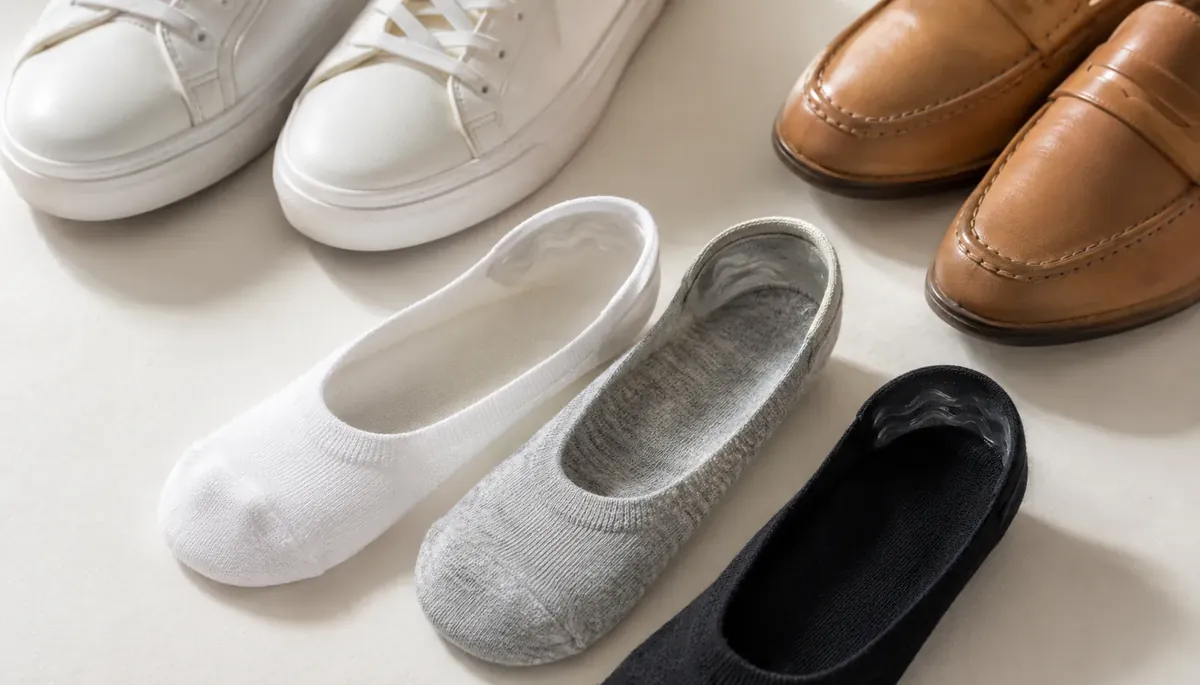
Private Label Custom Socks RFQ: Specification Fields, Sourcing Models, and Buyer Checklist
By Vincent Xi, Editorial Author
Author basis: ZheSock's author profile identifies Vincent Xi as an Editorial Author. This guide is based on the cited source contexts and does not claim product testing, factory auditing, certification review, or first-hand production experience.
<script type="application/ld+json"> {"@context":"https://schema.org","@type":"BlogPosting","headline":"Private Label Custom Socks RFQ: Specification Fields, Sourcing Models, and Buyer Checklist","description":"Build a quote-ready private label custom socks RFQ with sourcing model, sock specifications, packaging, sampling, QC checks, and supplier verification steps.","author":{"@type":"Person","name":"Vincent Xi","jobTitle":"Editorial Author","url":"https://www.zhesock.com/authors/vincent-xi/"}} </script>
A private label custom socks RFQ should define the full product package, not only the logo. For B2B comparison, the buyer needs to state the sourcing model, sock construction, material direction, branding method, size plan, packaging, sampling sequence, quality checks, and documents required before production approval.
This guide is written for sourcing managers, brand operators, retailers, corporate gifting teams, and product developers preparing quote-ready inquiries. It avoids supplier-specific capability claims. Where commercial figures appear, they are cited as external planning benchmarks from the supplied sources, not as promises for any supplier or order.
Start With the Sourcing Model
Private label, OEM, ODM, white label, and wholesale are often discussed together, but they describe different buying arrangements. Goren Socks describes private label as a subset of OEM in which socks are produced to an agreed specification and finished with the buyer's own labels, hang tags, and packaging Goren Socks. DeadSoxy describes private label socks as custom-manufactured to the buyer's specifications and sold under the buyer's brand DeadSoxy.
Goren Socks separates OEM, where the buyer provides design and specifications, from ODM, where the manufacturer provides a design that the buyer brands, and from white label, where existing stock is branded after production Goren Socks. SaySock describes private label as a buyer-owned brand and product system, while wholesale describes a business-to-business ordering and replenishment model SaySock.
Before asking for price, the RFQ should identify the intended model:
| RFQ model | Buyer should clarify | Why it matters | | --- | --- | --- | | Private label from existing base style | Which base sock is used, which brand elements change, and which packaging is included | The quote may be based on a modified existing product rather than full custom development | | OEM custom sock | Buyer-provided design, specification sheet, size plan, artwork, and packaging requirements | Sampling, technical review, and approval steps may differ from a stock-style order | | ODM with buyer branding | Supplier-proposed design plus buyer label, packaging, and assortment requirements | The buyer should confirm design control, exclusivity, and what can be changed | | White label | Existing stock with limited branding after production | The buyer should verify how limited the customization is | | Wholesale replenishment with private-label packaging | Ongoing B2B order model plus brand packaging needs | The buyer should separate stock availability from private-label presentation requirements |
Commercial Benchmarks to Treat as Planning Inputs
Benchmark figures can help frame a sourcing discussion, but they should not be treated as current supplier commitments. DeadSoxy's private-label versus wholesale comparison, published 2026-02-18T03:57:22Z in the supplied source context, reports the following figures for that article's comparison scope DeadSoxy:
| Data point | Unit, scope, date context, and source | RFQ use | | --- | --- | --- | | 60-75 percent | Margin range for the private-label business model, as reported in DeadSoxy's private-label versus wholesale comparison, published 2026-02-18T03:57:22Z | Treat as a planning benchmark; ask the supplier for current unit cost, packaging cost, and price-break assumptions | | 30-50 percent | Margin range for the wholesale resale model, as reported in DeadSoxy's private-label versus wholesale comparison, published 2026-02-18T03:57:22Z | Use only as a comparison frame against the cited private-label benchmark | | 200-600 pairs | Typical minimum order quantity range for private label socks, as reported in DeadSoxy's private-label versus wholesale comparison, published 2026-02-18T03:57:22Z | Ask each supplier to confirm current MOQ in pairs by style, color, size, and packaging option | | 6-12+ weeks | Private-label sock lead-time benchmark, as reported in DeadSoxy's private-label versus wholesale comparison, published 2026-02-18T03:57:22Z | Ask the supplier to separate sampling time, approval time, bulk production time, packing time, and shipping assumptions | | 12-48 pairs | Low wholesale minimum-order benchmark, as reported in DeadSoxy's private-label versus wholesale comparison, published 2026-02-18T03:57:22Z | Use only to compare a wholesale replenishment model with a private-label development model |
These figures are useful for comparison: private label may involve more control, but it can also require more inventory commitment, more sampling, and longer development time than simple wholesale buying. A specific order may differ, so the RFQ should ask each supplier to confirm current MOQ in pairs, sample lead time in business days or calendar weeks, bulk lead time in calendar weeks after approval, and the assumptions behind each price break.
Specification Fields That Make Quotes Comparable
A quote-ready private label custom socks RFQ should begin with the product use case. State whether the project is for casual socks, dress socks, sport socks, work socks, corporate gifting, retail multipacks, or another defined channel. Then give each supplier the same technical fields so quotes can be compared on the same product intent.
| Specification field | What to put in the RFQ | What to ask the supplier to confirm | | --- | --- | --- | | Product family | Crew, ankle, no-show, dress, sport, work, or other sock type | Whether the quoted construction matches the intended use and channel | | Wearer and size plan | Wearer category, regional sizing system, size range, and number of SKUs | Size grading approach and whether measured samples will be provided | | Sock dimensions | Height, leg length, foot length, cuff width, and measurement condition, such as relaxed or stretched | Measurement tolerance, measuring method, and whether dimensions change by size | | Sock construction | Cuff type, leg structure, heel shape, toe closure preference, footbed cushioning, and arch-support requirement | Construction limits, sample risks, and expected effect on cost | | Material direction | Target fiber mix, yarn preference if known, stretch requirement, hand feel, and performance need | Final fiber percentages for label use and any recommended alternatives | | Color and artwork | Color references, logo files, repeat patterns, placement instructions, and artwork priority | Whether the artwork is better suited to jacquard, embroidery, print, transfer, label, or packaging-only branding | | Packaging | Belly band, hang tag, header card, box, insert, polybag, barcode area, inner carton, and master carton needs | Separate packaging costs, dieline availability, blank sample availability, and packed-sample approval process | | Documentation | Fiber-content labeling, care-label language, restricted-substance documents, retailer documents, and import documents required by the buyer | Current document holder, scope, product coverage, and expiry where applicable |
Branding Method Is a Technical Choice
Branding method affects feel, artwork detail, sampling, and cost. A buyer should not send only a logo and ask for a unit price. The RFQ should state the preferred branding method if known and ask the supplier to flag risks before sampling.
Jacquard knitting may suit integrated patterns or larger graphic elements, but artwork detail can be constrained by yarn, gauge, and stretch. Embroidery can create a raised logo, but the buyer should evaluate comfort depending on placement and backing. Printing and heat-transfer methods may support different artwork effects, but buyers should ask how the method performs on an elastic, curved textile surface. Woven labels, sewn labels, belly bands, hang tags, and retail boxes can carry brand identity without changing the sock surface itself.
Velon Socks frames B2B socks topics around supplier selection, custom development, yarn choices, quality control, packaging, and private label planning Velon Socks. That source context supports treating branding, materials, QC, and packaging as linked RFQ topics rather than isolated decisions.
Sampling and Approval Workflow
A practical sample workflow should be written into the RFQ before price approval. The buyer can request a base sample to review shape and material direction, a decorated sample to review logo method and artwork scale, a packaging sample to review belly band, hang tag, box, barcode area, or carton presentation, and a pre-production sample to serve as the approved reference for bulk production.
The RFQ should name the approval owner and approval criteria. If design, sourcing, compliance, and retail teams all need to review the sample, that workflow should be visible in the project calendar. DeadSoxy's supplied source context gives 6-12+ weeks as a private-label sock lead-time benchmark for its article's comparison scope, published 2026-02-18T03:57:22Z DeadSoxy. A specific order may differ, so the supplier quote should separate sample timing, approval timing, bulk production timing, packing timing, and shipping assumptions.
QC and Documentation Without Overclaiming
Quality control should be specified as measurable buyer acceptance criteria. Useful sock checks can include appearance, pair matching, logo placement, color consistency against an approved reference, measurement after relaxation, stretch recovery, toe closure comfort, loose yarns, holes, stains, packaging accuracy, barcode scanability, carton count, and shipment labeling.
Name standards only when they are part of the buyer's requirement or retailer requirement. If a buyer requires an acceptance-sampling plan, the RFQ should state the selected sampling plan, inspection level, acceptance criteria, and defect classifications. A sampling standard defines how inspection samples are selected and judged; it does not, by itself, prove sock performance or product compliance.
If the buyer requires chemical safety, restricted-substance, fiber-content, country-of-origin, sustainability, or retailer compliance documents, the RFQ should request current documents before claims are used in product copy. Do not treat a verbal statement, expired document, unrelated certificate, or facility-level document as proof for the exact sock style unless the document holder, scope, product coverage, and expiry support that use.
Packaging and Carton Planning
SaySock's private label guidance connects channel, product family, label needs, packaging tier, price position, first-run quantity band, material direction, sample need, destination, and repeat expectation in the RFQ process SaySock. That is especially important for socks because packaging can affect artwork approval, unit cost, packing labor, carton configuration, and retail presentation.
The RFQ should state whether the product needs belly bands, hang tags, header cards, boxes, inserts, branded stickers, size labels, care labels, polybags, inner cartons, or master cartons. If barcodes, SKUs, retailer routing guides, carton marks, or import-label rules apply, include them with the first RFQ package. If the buyer has not decided on packaging, ask the supplier to quote basic, mid-tier, and retail-ready packaging options separately.
Buyer RFQ Checklist
Use this checklist before sending a private label custom socks inquiry:
- Buyer and project: company name, contact owner, target sales channel, destination market, and launch window.
- Sourcing model: private label, OEM, ODM, white label, or wholesale replenishment with private-label packaging.
- Product type: sock height, wearer category, intended use, cushioning level, cuff style, toe closure preference, and fit expectation.
- Size plan: regional sizing system, size range, number of sizes, grading logic, and tolerance requirements if already defined.
- Material direction: target fibers, performance requirements, hand-feel expectation, color requirements, and whether supplier recommendations are requested.
- Artwork and branding: logo files, color references, repeat pattern files, branding method preference, label placement, and artwork risks to review.
- Packaging: belly band, hang tag, box, insert, polybag, barcode area, care label, carton mark, and whether a packaging sample is required.
- Quantity and assortment: first-run quantity in pairs, number of SKUs, number of colorways, reorder expectation, and forecast if available.
- Sampling: sample type requested, approval owner, required sample photos, physical sample address, and approval criteria.
- QC and documentation: inspection checklist, sampling plan if applicable, restricted-substance or retailer documents, fiber-content labeling, care-label language, and current certificate requests where required.
- Commercial terms: requested Incoterms, currency, payment milestone preference, tooling or setup costs, packaging cost separation, lead-time assumptions, and quote validity period.
- Shipment plan: destination, carton requirements, packing method, pallet request if any, forwarder details if known, and shipping document requirements.
Methodology, Source Contexts, and Verification Limits
Methodology: this article converts the supplied source contexts into an RFQ-oriented buyer checklist. Definitions and commercial benchmarks were kept only where they are tied to the cited URLs. Advisory sections are framed as buyer questions, RFQ fields, or verification steps rather than as claims about any specific supplier capability.
Source contexts: ZheSock's author profile provides the author identity and role for Vincent Xi as Editorial Author ZheSock. Goren Socks provides terminology for OEM, ODM, private label, and white label sourcing models Goren Socks. DeadSoxy provides the cited private-label and wholesale comparison figures for margins, MOQ, and lead time in its article published 2026-02-18T03:57:22Z DeadSoxy. SaySock provides RFQ framing around channel, product family, label needs, packaging tier, quantity band, material direction, destination, and repeat expectations SaySock. Velon Socks provides broader B2B topic context around supplier selection, custom development, yarn choices, QC, packaging, and private label planning Velon Socks.
Limitations and what to verify: supplier pages are useful for terminology and planning, but they are not neutral audit records. Before issuing a purchase order, verify current MOQ in pairs, sample lead time, bulk lead time, yarn composition, packaging costs, tooling costs, compliance documents, certificate validity, inspection method, Incoterms, shipment assumptions, and whether the quoted product matches the approved sample. Do not publish certification, performance, sustainability, origin, or customer-outcome claims unless current documents support the exact product and order scope.