Sock Wholesale RFQ Guide: Buyer Specification Checklist
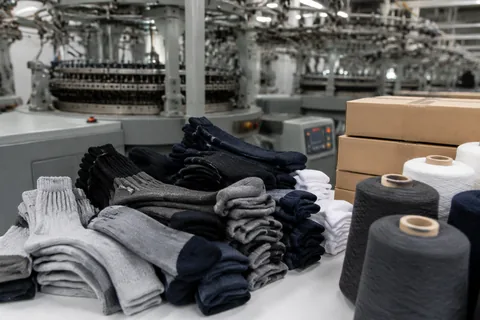
Sock Wholesale RFQ Guide: Buyer Specification Checklist
A sock wholesale RFQ works best when every supplier quotes against the same buyer-defined requirements. Instead of asking for a generic price, define the sock category, intended use, material target, construction, size range, branding, packaging, quality controls, inspection evidence, and shipping terms.
This guide is a buyer-side RFQ framework for wholesale socks. It does not assume any supplier capability, MOQ, price, timeline, certification, or approval process. Each item should be confirmed in the supplier's written response before sampling, production, or purchase order release.
A cited B2B bulk buying guide describes bulk sock purchasing as large-quantity procurement for uses such as corporate gifting, retail inventory, uniforms, and event merchandise https://deadsoxy.com/blogs/custom-socks/buying-socks-in-bulk-b2b-guide. Because those use cases can require different product and packaging decisions, the RFQ should identify the exact program instead of requesting a broad wholesale sock quote.
1. Confirm the Sourcing Model
A cited B2B sourcing guide describes several sourcing models: OEM uses buyer-provided design and specifications under the buyer's brand; ODM uses a manufacturer-designed product branded for the buyer; private label uses a standard product specification with buyer labels or packaging; and white label uses stock product that can receive buyer labeling https://www.gorensocks.com/b2b-guide/.
State one requested model in the RFQ and ask the supplier to confirm whether the project fits that model.
- OEM: provide design files, colors, material requirements, construction details, size chart, packaging files, and inspection requirements.
- ODM: ask for available base styles and list which changes are allowed for materials, colors, branding, packaging, or sizing.
- Private label: ask for the standard sock specification, label or packaging options, MOQ, sampling route, and approval evidence.
- White label: ask for stock availability, labeling options, customization limits, and whether repeat orders use consistent stock lots.
Also identify which decisions are fixed by the buyer and which items may be recommended by the supplier.
2. Build the RFQ Around a Complete Sock Specification
Avoid vague descriptions such as premium black crew socks unless they are supported by measurable requirements or an approved reference sample. A structured specification sheet helps each supplier quote the same product request.
| RFQ field | Buyer should provide | Supplier should confirm | |---|---|---| | Sock category | Dress, athletic, compression, grip, no-show, crew, hiking, uniform, promotional, or other | Recommended construction for the category and any stated limits | | Use case | Retail sale, uniform issue, event merchandise, corporate gifting, ecommerce, replenishment, or another stated use | Design, packaging, durability, or compliance considerations tied to that use | | Quantity | Units by style, color, size, and pack configuration | MOQ by style, color, size, yarn, branding method, and packaging option | | Materials | Exact fiber percentages by SKU, or target performance if the final blend is open | Proposed blend, yarn basis, and substitution approval process | | Construction | Height, cuff, rib, cushion zones, arch area, toe closure, heel pocket, toe area, sole, and stretch expectations | Construction method, machine basis if relevant, and known limitations | | Size system | US, UK, EU, centimeter, or buyer size chart | Measurement points, tolerances, and grading approach | | Color | Pantone, TCX, yarn card, lab dip, or approved sample reference | Color approval step before bulk production | | Branding | Knit-in artwork, embroidery, print, patch, grip print, label, band, tag, or packaging-only branding | Artwork limits, minimum detail limits, and sample approval route | | Packaging | Pair band, hang tag, polybag, box, multipack, barcode, care label, carton marks | Unit price impact, packing method, carton quantity, and carton details | | QC | Defect list, measurement method, tolerance, AQL if used, inspection photos, third-party inspection access if required | Inspection timing and evidence supplied before shipment | | Testing | Wash review, shrinkage, colorfastness, abrasion, pilling, grip durability, compression testing, or none | Whether testing is included, quoted separately, or arranged by the buyer | | Logistics | Incoterms, port or delivery address, carton requirements, and document needs | Carton dimensions, gross weight, units per carton, ship window, and cost assumptions |
3. Specify Materials Clearly
A cited wholesale dress sock guide discusses material quality, including cotton, bamboo, and merino, in relation to buyer satisfaction and returns https://deadsoxy.com/blogs/wholesale-socks/retailers-guide-wholesale-dress-socks. For RFQ use, translate broad material preferences into written requirements.
Include:
- Fiber blend percentage by style, size, and color if they differ.
- Yarn type, yarn count, or request for supplier recommendation.
- Required hand feel, weight, stretch, warmth, moisture handling, or other buyer-defined performance target.
- Required or excluded fibers, if the buyer has a material rule.
- Substitution rule: no substitution without written approval, or supplier may propose alternatives before sampling.
- Requirement that bulk material match the approved sample.
- Testing required before shipment, if any.
If the supplier recommends a different blend, ask whether the change affects price, MOQ, lead time, care labeling, color matching, sampling, or testing.
4. Lock Construction, Fit, and Measurement Rules
The cited wholesale dress sock guide references technical differentiators such as reinforced heel-and-toe construction, seamless toe closure, and machine needle counts from 96 to 200 depending on sock type https://deadsoxy.com/blogs/wholesale-socks/retailers-guide-wholesale-dress-socks. Treat those details as RFQ prompts, not as a universal quality ranking.
Ask the supplier to confirm:
- Height category and finished leg length.
- Foot length, overall length, and size grading.
- Cuff width, cuff height, rib construction, and welt elasticity.
- Cushioning: none, sole only, heel and toe, full foot, full terry, or custom zones.
- Reinforcement areas: heel, toe, sole, or none.
- Toe closure method and whether the buyer expects a flat or low-profile toe feel.
- Heel pocket shape and fit assumptions.
- Arch support, mesh zones, compression zones, or grip application if required.
- Needle count or machine basis for the proposed yarn, design, and sock category.
- Measurement state: relaxed, stretched, after boarding, after washing, or another defined state.
- Tolerance by measurement point.
For multi-size programs, attach a size chart with measurement points and tolerances. For multipacks, state whether every pair uses the same size, material blend, construction, packaging, and barcode.
5. Control Artwork, Color, and Packaging Before Sampling
Custom artwork should be reviewed before sampling, especially when the logo, text, or repeat pattern is small. Provide editable artwork when available, state the intended logo placement, and give the supplier a color reference. Ask whether the design will be knitted, embroidered, printed, sublimated, patched, grip printed, or handled through packaging only.
Color approval should be a named RFQ step. Depending on the project, request a yarn card, lab dip, strike-off, physical sample, or production reference sample. If photo approval is offered, decide before production whether a physical approval is still required for brand-critical colors.
Define packaging before quotation:
- Pair band, hang tag, belly band, polybag, box, or multipack format.
- Barcode type and placement.
- Care label and fiber content format.
- Country-of-origin marking requirement.
- Retailer compliance manual, if applicable.
- Carton quantity, carton marks, and packing sequence.
6. Define Quality Inspection and Testing Requirements
A cited wholesale buying guide frames B2B sock sourcing as involving MOQ requirements, supplier selection, quality control, pricing strategies, and partnership building https://www.velonsocks.com/socks-blog/wholesale-sock-buying-guide-b2b. In the RFQ, quality control should be written as acceptance evidence and reject criteria.
Define inspection criteria for:
- Approved sample or reference standard.
- Measurements and tolerances.
- Pair matching and size consistency.
- Color consistency against the approved reference.
- Stitch defects, holes, stains, skipped yarns, loose threads, and odor.
- Logo placement and artwork clarity.
- Packaging accuracy, barcode scanability, carton count, and carton marks.
- Inspection timing: in-line, final, pre-shipment, or buyer-arranged third-party inspection.
- Required evidence: photos, inspection report, measurement sheet, barcode scan proof, or shipment release document.
State testing separately from general inspection. Relevant examples may include wash review, shrinkage, colorfastness, abrasion, pilling, grip durability, or compression testing. Ask whether testing is included in the quote, priced separately, or arranged by the buyer.
7. Compare Wholesale Sock Quotes on Total Buying Terms
A cited B2B bulk buying guide describes bulk buying quantities as ranging from hundreds to thousands of pairs depending on the program type https://deadsoxy.com/blogs/custom-socks/buying-socks-in-bulk-b2b-guide. Treat that as general context only. Ask for the MOQ that applies to the exact style, color, size, yarn, branding, packaging, and shipping term.
Request a quote grid that separates:
- Unit price by quantity tier.
- MOQ by style, color, size, yarn, and packaging option.
- Sample cost and revision cost.
- Artwork, setup, mold, or tooling cost if any.
- Packaging cost by option.
- Testing and inspection cost if any.
- Shipping term, currency, carton dimensions, gross weight, and units per carton.
- Sample lead time, production lead time, inspection window, export preparation, and transit estimate.
- Quote validity date and assumptions.
- Payment milestones, if the buyer requires them in the RFQ.
This structure supports comparison by total buying terms rather than pair price alone.
8. Review Supplier Responses Before Purchase Order
Review each response against the RFQ line by line. Treat a response as incomplete until it answers the requested specification, quality, packaging, timeline, and logistics fields or clearly states that a field is not applicable.
Before issuing the purchase order, confirm that the PO references:
- Final specification sheet.
- Approved sample or approval standard.
- Artwork and color references.
- Packaging files and carton instructions.
- Inspection criteria and testing responsibilities.
- Incoterms, delivery address or port, and document requirements.
- Final production timeline and ship window.
- Responsibility for any third-party inspection or testing.
- Change approval process for post-sample revisions.
Sock Wholesale RFQ Checklist
Use this checklist as the working document for supplier requests.
- Buyer company, contact, destination country, and sales channel.
- Sourcing model: OEM, ODM, private label, or white label.
- Sock category and use case.
- Target quantity by style, color, size, and pack configuration.
- MOQ requirement or repeat-order forecast.
- Exact fiber blend or material target, with substitution approval rule.
- Yarn basis or request for supplier recommendation.
- Sock height, finished leg length, foot length, cuff, rib, and stretch requirements.
- Cushioning and reinforcement requirements.
- Toe closure method and toe comfort expectation.
- Needle count or request for supplier recommendation.
- Size chart with measurement points and tolerances.
- Measurement state for inspection.
- Artwork files, logo placement, color references, and minimum logo clarity requirement.
- Branding method and packaging artwork.
- Color approval process.
- Packaging format, barcode, care label, fiber content format, and carton marks.
- Compliance documents or retailer manuals, if applicable.
- Sample type, approval deadline, and revision rules.
- QC criteria, AQL if used, inspection access, and inspection evidence.
- Testing requirements and responsibility for cost and booking.
- Quote format by quantity tier, sample cost, packaging cost, testing cost, inspection cost, and shipping assumptions.
- Logistics terms, carton dimensions, gross weight, units per carton, and documents.
- Timeline for design review, sampling, approval, production, inspection, shipping, and delivery.