Socks Supplier RFQ Checklist: Specs, Samples, QC, and Quote Comparison
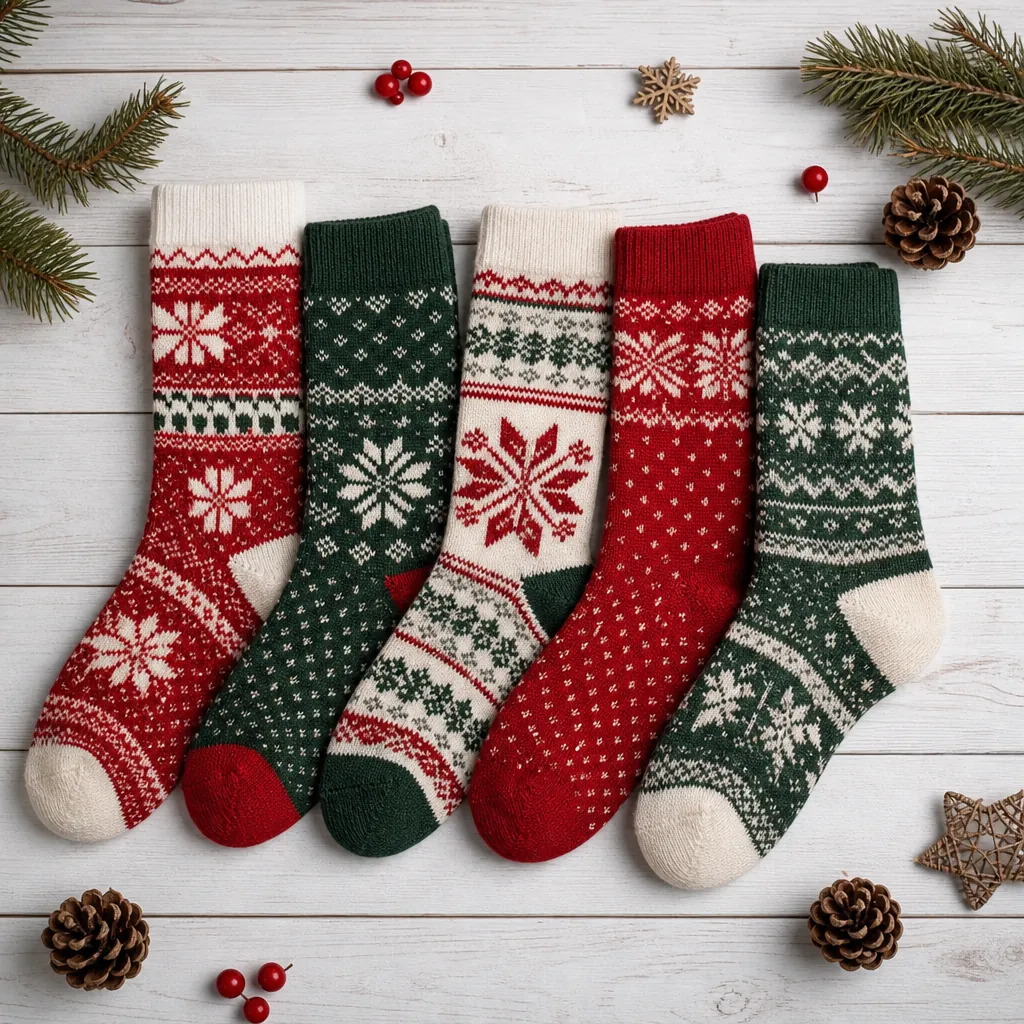
Socks Supplier RFQ Checklist: Specs, Samples, QC, and Quote Comparison
A socks supplier RFQ should give every shortlisted supplier the same product specification, quantity assumptions, packaging requirements, quality expectations, compliance questions, and delivery terms. A consistent RFQ makes quotes easier to compare and helps reveal what each supplier has included, excluded, or assumed.
Socks sourcing guidance treats price as one part of supplier evaluation alongside quality, minimum order quantity, lead time, communication, and supplier reliability DeadSoxy. Sock manufacturing guidance also emphasizes sampling before bulk production so the buyer can check size, fit, color, knit, and design details against the approved specification EGE Socks.
Use this RFQ checklist when comparing factories, wholesalers, distributors, trading companies, or private label partners. The goal is to collect comparable answers, identify assumptions early, and define what must be approved before a purchase order moves into production.
1. Identify the Supplier Model
Ask the supplier to state its role in writing. Wholesale and B2B sourcing guides describe several supply routes, including direct manufacturing, wholesale supply, trading or sourcing support, and private label programs DeadSoxy Goren Socks.
| Supplier model | What to ask in the RFQ | Why it matters for comparison | |---|---|---| | Manufacturer | Which steps are handled directly, such as knitting, finishing, inspection, packing, or export coordination | Clarifies production responsibility | | Distributor or wholesaler | Which stock styles, colors, sizes, pack quantities, and delivery windows are available | Separates stock buying from custom development | | Trading company | Which suppliers or production steps are coordinated and how approvals are documented | Clarifies who controls communication and evidence | | Private label partner | Which sock bases, branding routes, label options, packaging options, and artwork formats are supported | Defines the scope of branded supply |
Define the development model separately. If the supplier uses terms such as OEM, ODM, private label, or white label, ask what that term means in the quote. B2B sock sourcing guidance discusses private label and white label routes, but the RFQ should still define the buyer's artwork, labels, packaging, approval process, and ownership of supplied design files Goren Socks.
2. Build the Specification Sheet First
A strong RFQ turns the product idea into fields the supplier can confirm, price, or challenge. Send the same specification sheet to every supplier and ask each one to mark confirmed details, assumptions, substitutions, and limits.
| Specification field | What to provide or request | What the answer controls | |---|---|---| | Product category | Crew, ankle, no-show, dress, sport, work, compression, diabetic-style, or another defined type | Construction and fit assumptions | | Target wearer and use | Men's, women's, kids, sport, workwear, lifestyle, gifting, retail, or another stated use | Size, durability, and packaging assumptions | | Size range | Market, size labels, foot-length ranges if used, and pair quantity by size | Size ratio and quote comparability | | Order volume | Pairs by design, colorway, size, and shipment | MOQ and price-break review | | Yarn blend | Target fibers, percentages, acceptable alternatives, and restricted materials | Material cost and compliance review | | Knit construction | Plain knit, rib, mesh, terry, half-terry, full terry, jacquard, or mixed construction | Sampling and production feasibility | | Gauge or weight | Buyer target or supplier recommendation | Appearance, density, and positioning | | Cushioning or compression | Cushion area, compression target if applicable, and fit notes | Technical sampling review | | Branding method | Jacquard, embroidery, print, woven label, hang tag, belly band, or packaging mark | Artwork setup and inspection criteria | | Color standard | Pantone, lab dip, yarn reference, or approved physical sample | Color approval method | | Packaging | Pair fold, clip, hanger, band, polybag, box, barcode, carton marks, and pack ratio | Quote completeness and packing evidence | | Compliance market | Destination country, sales channel, and required tests or documents | Evidence needed before shipment | | QC standard | Measurement tolerances, defect limits, inspection stage, and AQL if used | Acceptance criteria |
Socks sourcing and manufacturing guides discuss technical choices such as yarn or material selection, cushioning, sport construction, fine-gauge dress socks, terry cushioning, and jacquard designs Velon Socks EGE Socks. When those features matter, ask the supplier to identify what can be made as specified and what needs adjustment.
3. Separate Design Intent From Production Limits
For branded socks, ask the supplier to confirm whether the selected branding method fits the artwork. Fine lettering, tight linework, gradients, small logos, and high color counts may need supplier review before sampling. If the design cannot be sampled cleanly, ask for a marked artwork recommendation instead of allowing an undocumented change.
For yarn and construction, ask the supplier to identify which details are exact and which are approximate. If a proposed substitution changes fiber content, color, hand feel, weight, labeling, testing needs, or compliance evidence, require buyer approval before bulk production.
For packaging, include the route in the first RFQ. Packaging can affect the quoted cost, artwork requirements, packing method, carton count, barcode preparation, and shipment readiness.
4. Normalize the Quote Format
Ask each supplier to price the same assumptions in the same structure. The quotation should state what is included, what is excluded, and where prices change by size, color, quantity, packaging, or shipping term.
| Quote line | Required detail | |---|---| | Unit price | Price per pair, currency, quantity break, and any size or color difference | | MOQ | MOQ by design, colorway, size split, yarn blend, packaging route, or total order | | Sample | Sample fee, sample lead time, number of rounds quoted, sample quantity, and sample shipping cost | | Setup or artwork | Knitting program, embroidery digitizing, print setup, label setup, or other one-time charges | | Yarn and color | Stock yarn, custom yarn, lab dip, yarn dyeing, and color approval timing | | Packaging | Per-pair packaging cost, label cost, barcode cost, carton pack, and pack ratio | | Testing and compliance | Lab testing, certificates, declarations, or document costs included or excluded | | Inspection | Factory inspection report, buyer inspection window, third-party inspection support, and timing | | Trade terms | Freight term, origin point, destination point, and duties or taxes excluded from the quote | | Payment and validity | Deposit, balance, payment method, quote validity, and price-break quantities | | Lead time | Artwork review, sampling, revision, bulk production, packing, export documents, and transit as separate stages |
This format helps show whether a low unit price excludes sample costs, setup work, packaging, testing, inspection support, freight assumptions, or documentation.
5. Set MOQ, Sampling, and Approval Gates
Ask for MOQ by design, colorway, size split, yarn blend, packaging route, and shipment. Sock manufacturing guidance notes that MOQ should be checked per design and that size quantities can affect price and lead time EGE Socks.
Treat sampling as an approval gate. Manufacturing guidance describes pre-production samples as a way to check size, fit, color, and knit before bulk approval EGE Socks. The RFQ should state that bulk production is not released until the buyer gives written approval of the relevant sample, specification, artwork placement, color reference, and packaging route.
| Gate | Buyer asks | Output to request | |---|---|---| | Technical review | Can this specification be made as written? What must change? | Supplier comments and marked-up spec | | Sample quotation | Can you sample to this spec, artwork, size, and packaging route? | Sample cost, timing, quantity, and terms | | Sample review | Does the sample match size, fit, color, knit, logo, and packaging expectations? | Approval notes or revision list | | Pre-production approval | Is the final sample and spec approved for bulk? | Written approval and production reference sample | | Bulk production | Are changes controlled after approval? | Status updates and change log | | Inspection | Do measurements, defects, quantity, labels, barcodes, and cartons match the PO? | Inspection report or buyer-approved evidence | | Shipment release | Are documents and carton marks complete? | Commercial document set and shipment confirmation |
6. Define Quality and Compliance Evidence
Write quality expectations into the RFQ and later into the purchase order. Useful evidence requests include measurement points, measurement tolerances, pair matching rules, toe seam criteria, loose yarn limits, logo placement tolerance, color approval method, stretch or fit checks, packaging accuracy, barcode readability, and carton mark requirements. If the buyer uses AQL inspection, include the inspection level and defect classification.
Compliance evidence should match the destination market and product. Sock manufacturing guidance references EU textile compliance topics such as REACH, azo-free dye considerations, and third-party lab testing when requested EGE Socks. Ask for named and dated documents, certificates, declarations, or test reports. Do not rely on general certification language unless the supplier provides evidence that matches the product, material, and sales market.
7. Confirm Packaging, Labeling, and Export Documents
Include packaging and labeling in the first RFQ. Sock manufacturing guidance lists buyer considerations such as labels, barcodes, polybags, and retail packaging EGE Socks. Specify woven labels, printed labels, hang tags, size stickers, EAN or UPC barcodes, polybags, custom boxes, multi-pair sets, carton marking, and pack ratio when applicable.
For international orders, ask who prepares the commercial invoice, packing list, certificate of origin, and any market-specific customs documents. One manufacturing guide lists commercial invoice, packing list, certificate of origin, and EUR.1 among documents to clarify before ordering for EU-related shipments EGE Socks. Exact paperwork depends on origin, destination, trade terms, and the buyer's import setup.
8. Compare Suppliers With a Decision Scorecard
Use the same scorecard for every shortlisted socks supplier. Compare documented evidence, not only the headline unit price.
| Factor | Evidence to request | How to use it | |---|---|---| | Supplier role | Manufacturer, distributor, trader, or private label role stated in writing | Avoid comparing unlike supply routes without context | | Technical fit | Comments on yarn, gauge, construction, artwork, and branding constraints | Check whether manufacturability was reviewed | | MOQ logic | MOQ by design, color, size, yarn, packaging route, and shipment | Identify minimums before design work expands | | Sample process | Sample cost, rounds, timing, sample quantity, and bulk approval gate | Understand the route to production approval | | Quality control | Inspection checklist, measurement chart, tolerance table, or report format | Compare acceptance controls before production | | Compliance evidence | Reports, certificates, declarations, or testing options by market | Match claims to destination requirements | | Packaging support | Itemized packaging costs, barcode needs, artwork files, and carton plan | Reduce late packaging changes | | Communication | Named contact, written approvals, and change confirmation process | Keep the approval trail auditable | | Reorder control | Retained specs, color references, yarn references, and approved samples | Reduce uncertainty on repeat orders |
9. Final Socks Supplier RFQ Checklist
Use this checklist before sending the first inquiry.
- Buyer company, contact details, destination country, and intended sales channel.
- Supplier model requested: manufacturer, distributor or wholesaler, trading support, or private label partner.
- Development model to be defined in the quote: OEM, ODM, private label, or white label.
- Product type, cuff height, target wearer, target use, and size range.
- Estimated order quantity by design, colorway, size, and shipment.
- Target yarn blend, acceptable alternatives, and restricted materials.
- Knit construction, cushioning level, terry area, mesh area, rib details, and gauge or weight target.
- Artwork files, logo placement, color references, and branding method.
- Packaging method, label artwork, hang tags, barcode files, polybag or box requirements, carton marking, and pack ratio.
- Sample requirements, sample quantity, quoted sample rounds, sample approval process, and sign-off deadline.
- Required test reports, compliance documents, or market-specific declarations.
- Inspection requirements, measurement tolerances, defect limits, and third-party inspection plan if used.
- Quote format covering unit price, sample cost, setup cost, packaging cost, testing cost, freight term, payment term, and validity period.
- Delivery terms, target ship date, destination port or warehouse, and required export documents.
- Reorder expectations, forecast quantity, and color or yarn reference requirements.
10. What to Send With the First Inquiry
Keep the first inquiry concise but complete. Attach the specification sheet, artwork, reference photos, target quantity, size ratio, packaging expectation, destination market, compliance needs, and target timeline. Ask the supplier to identify construction risks, artwork limits, material substitutions, MOQ constraints, sample timing, and documents needed before shipment.
A useful RFQ response separates confirmed details from assumptions. It should show how sampling, approval, production, inspection, packing, and shipment will be controlled before the order moves into bulk production.